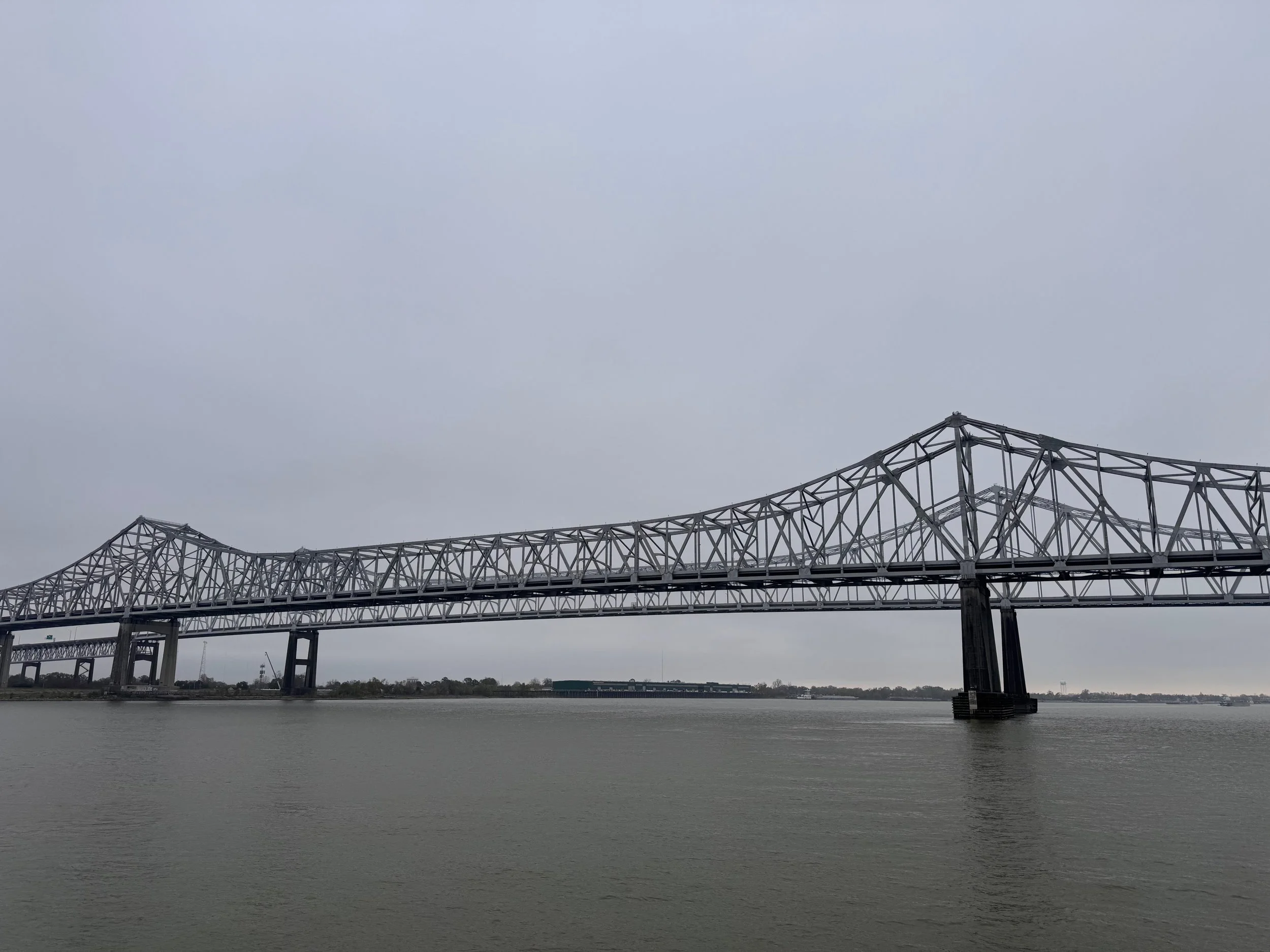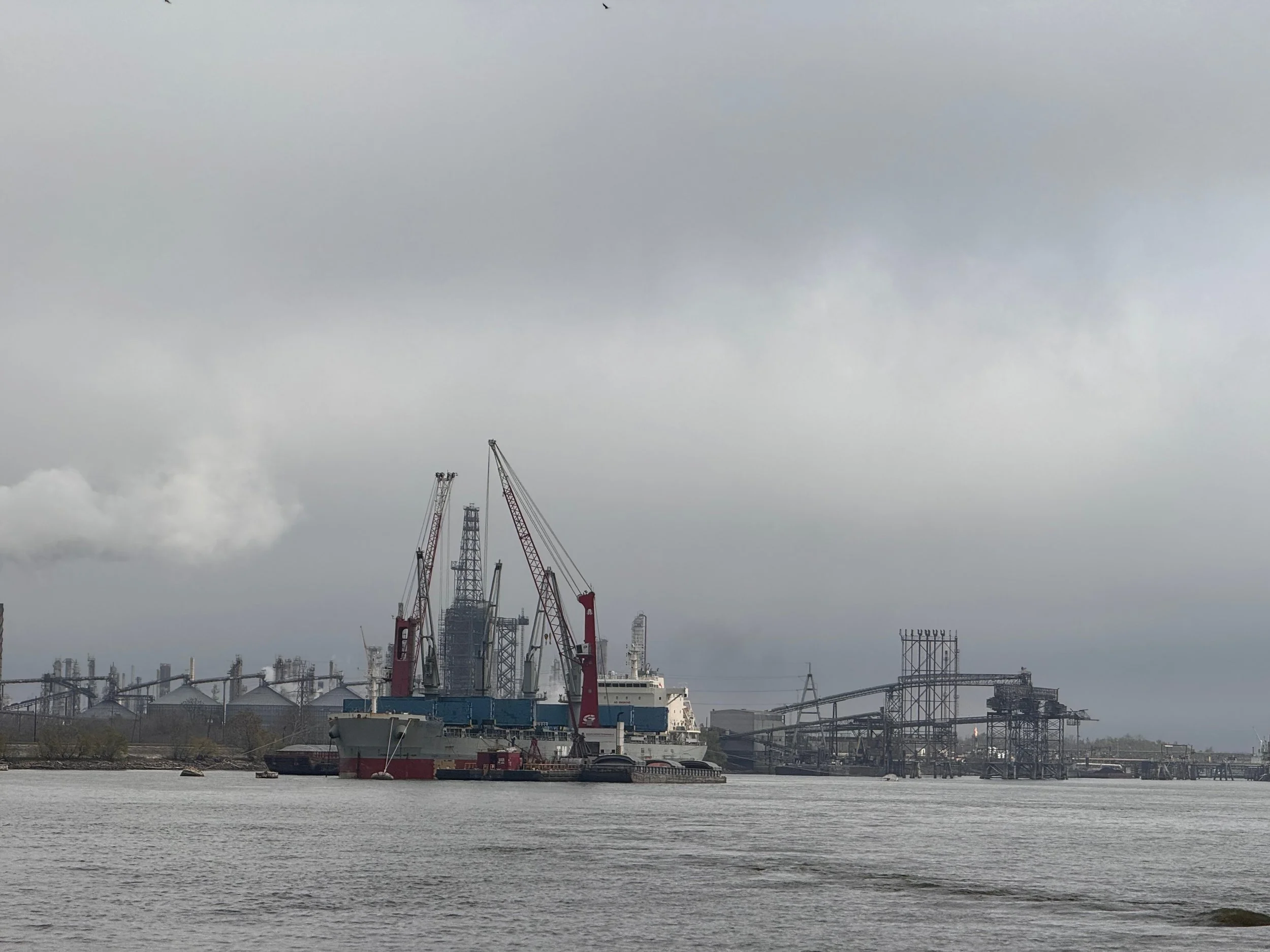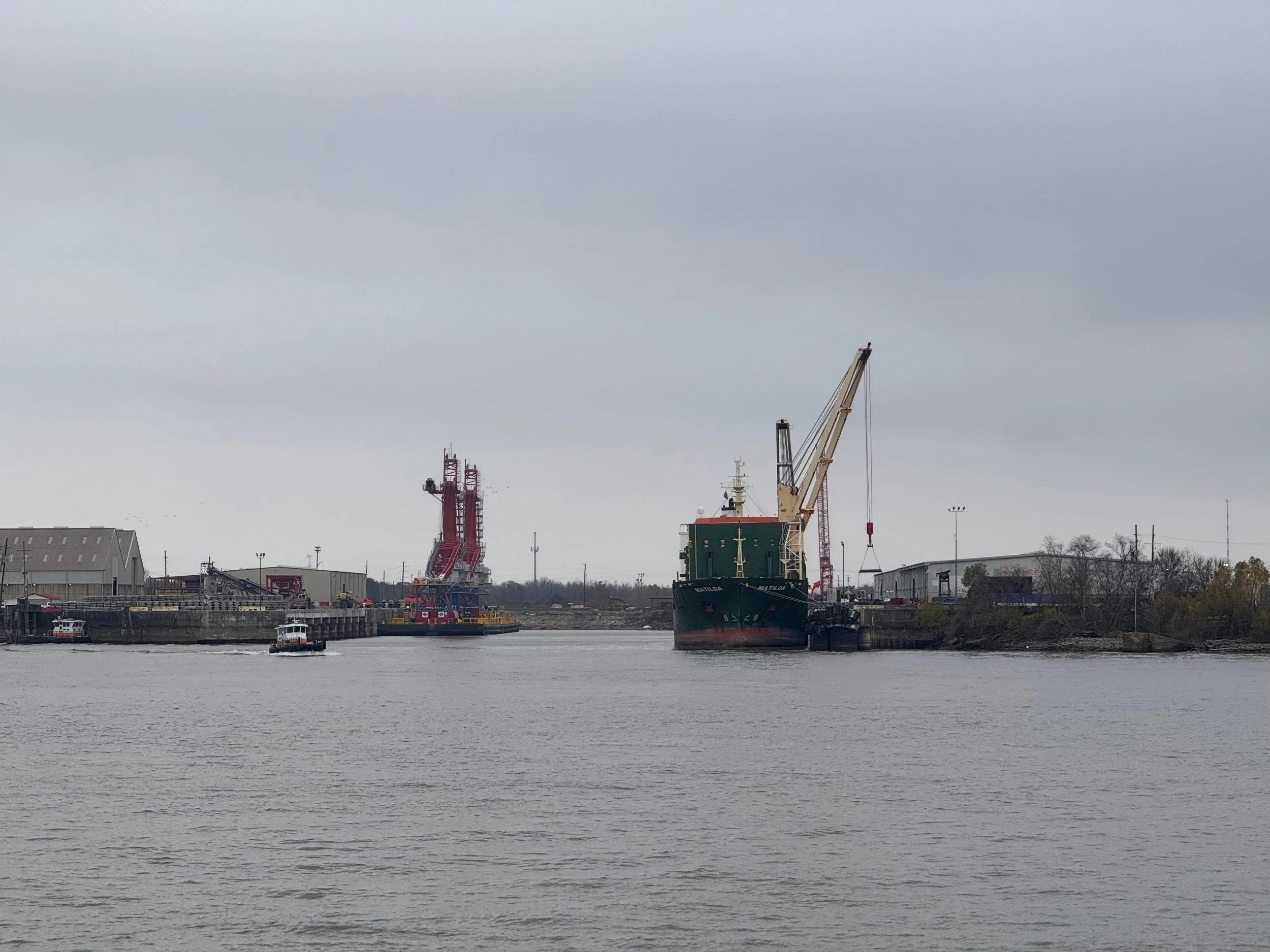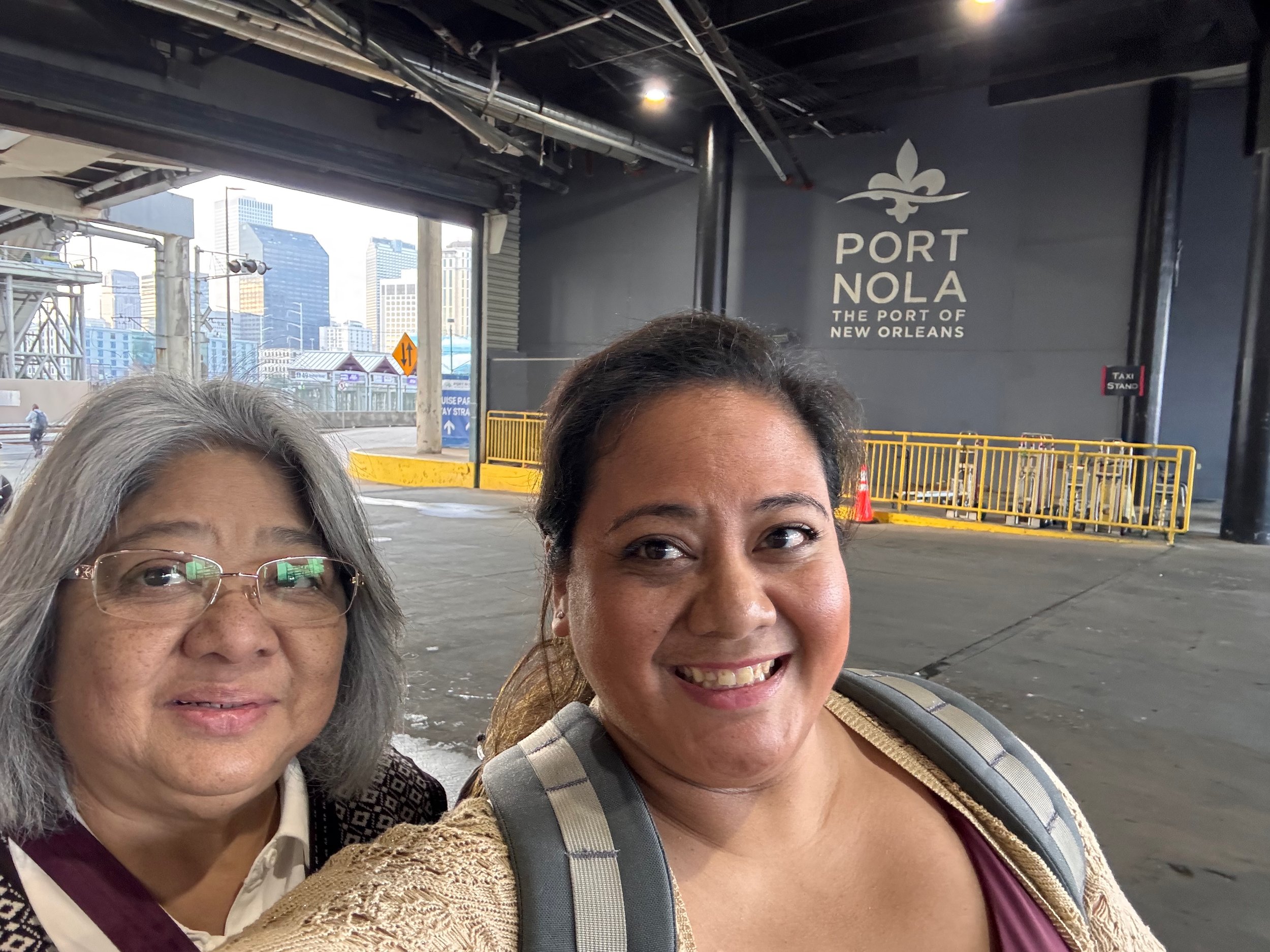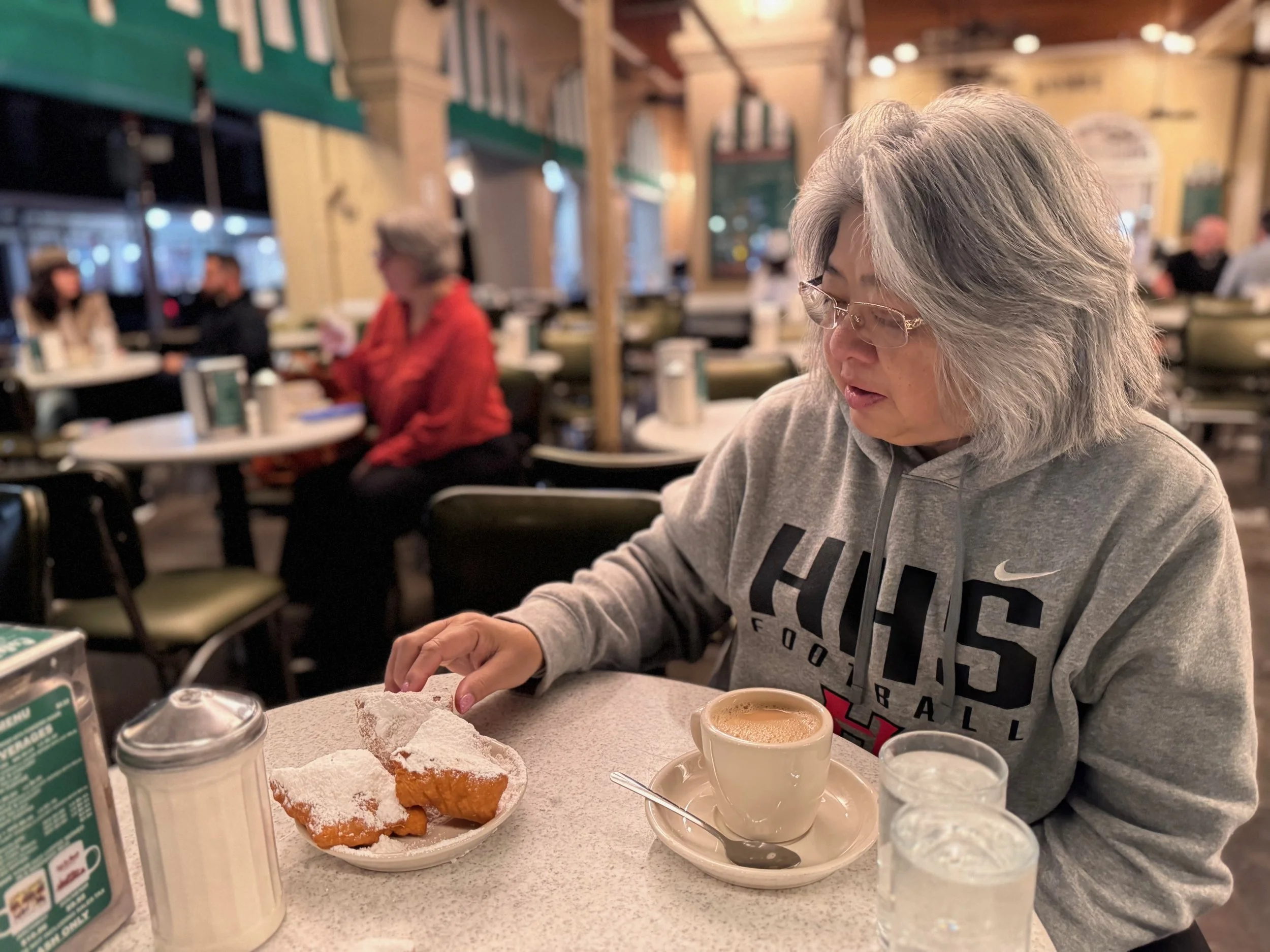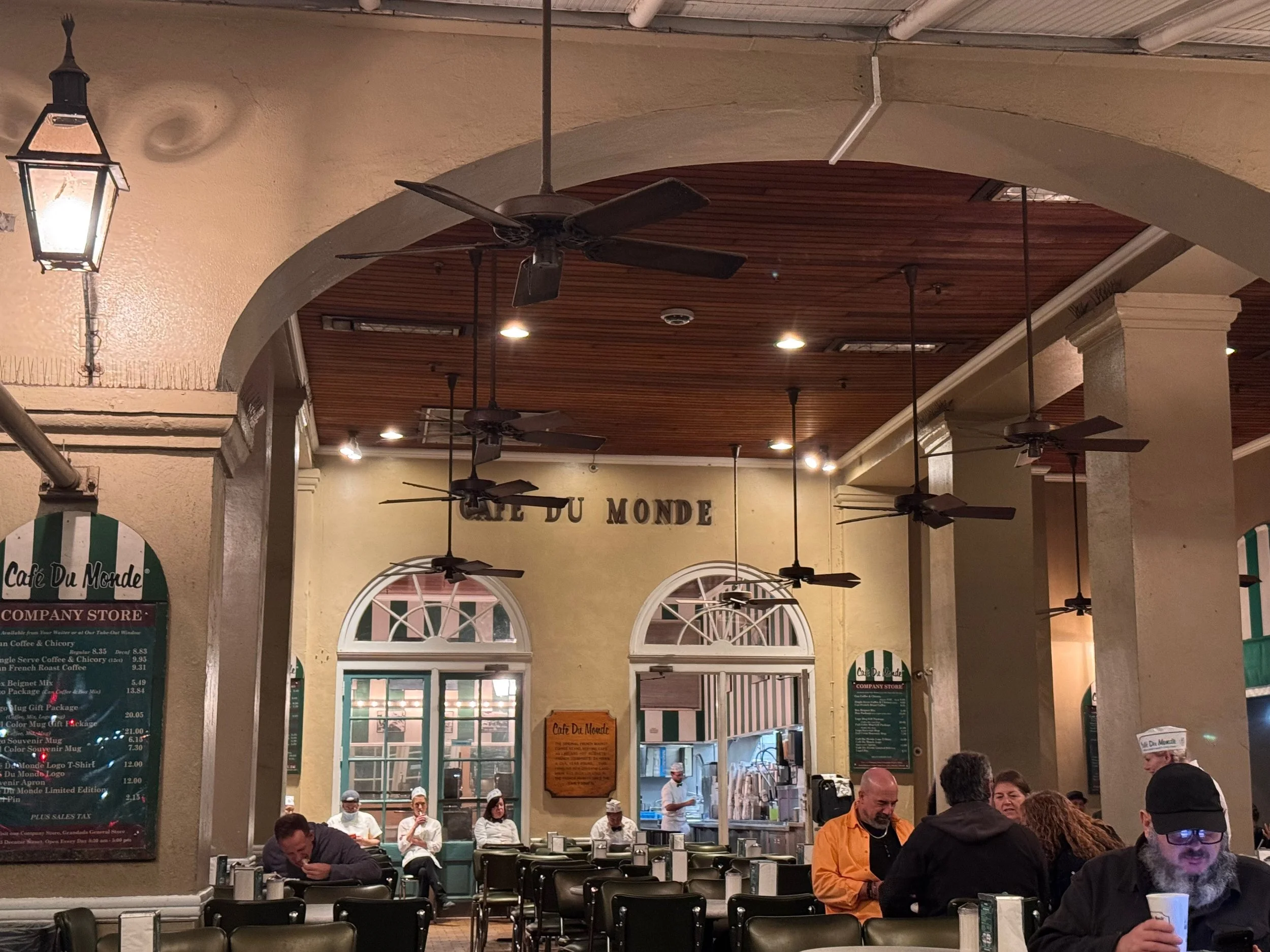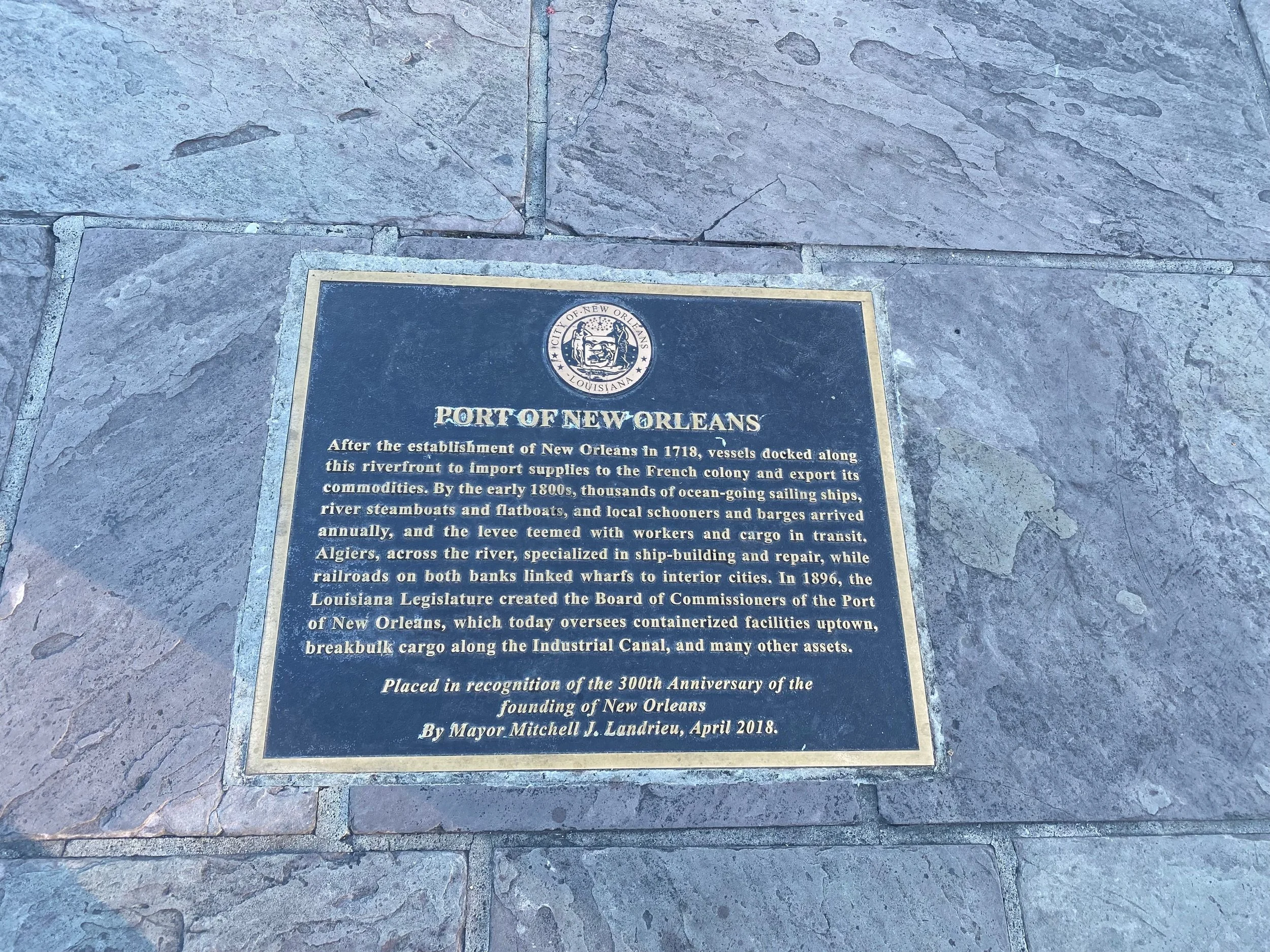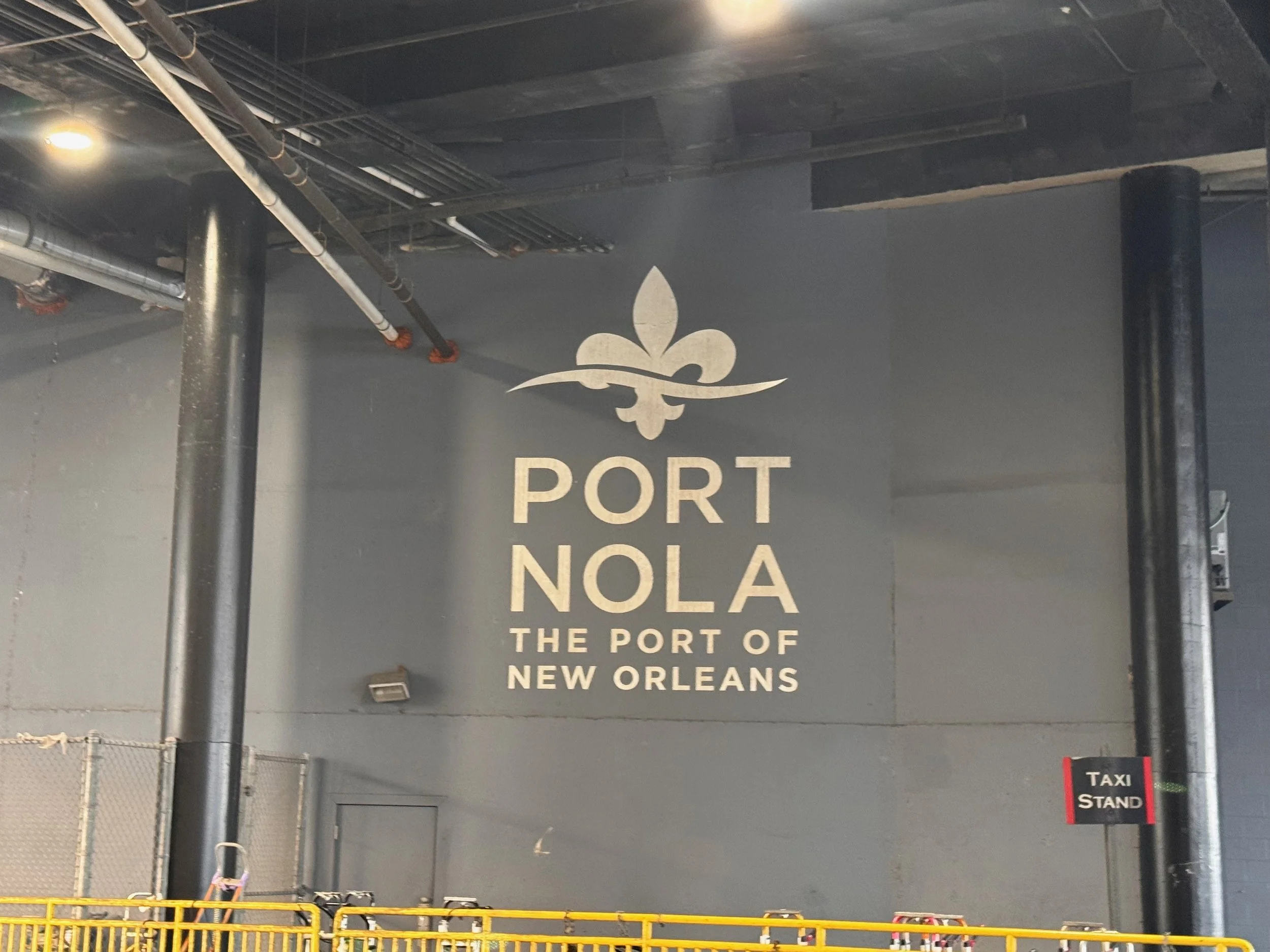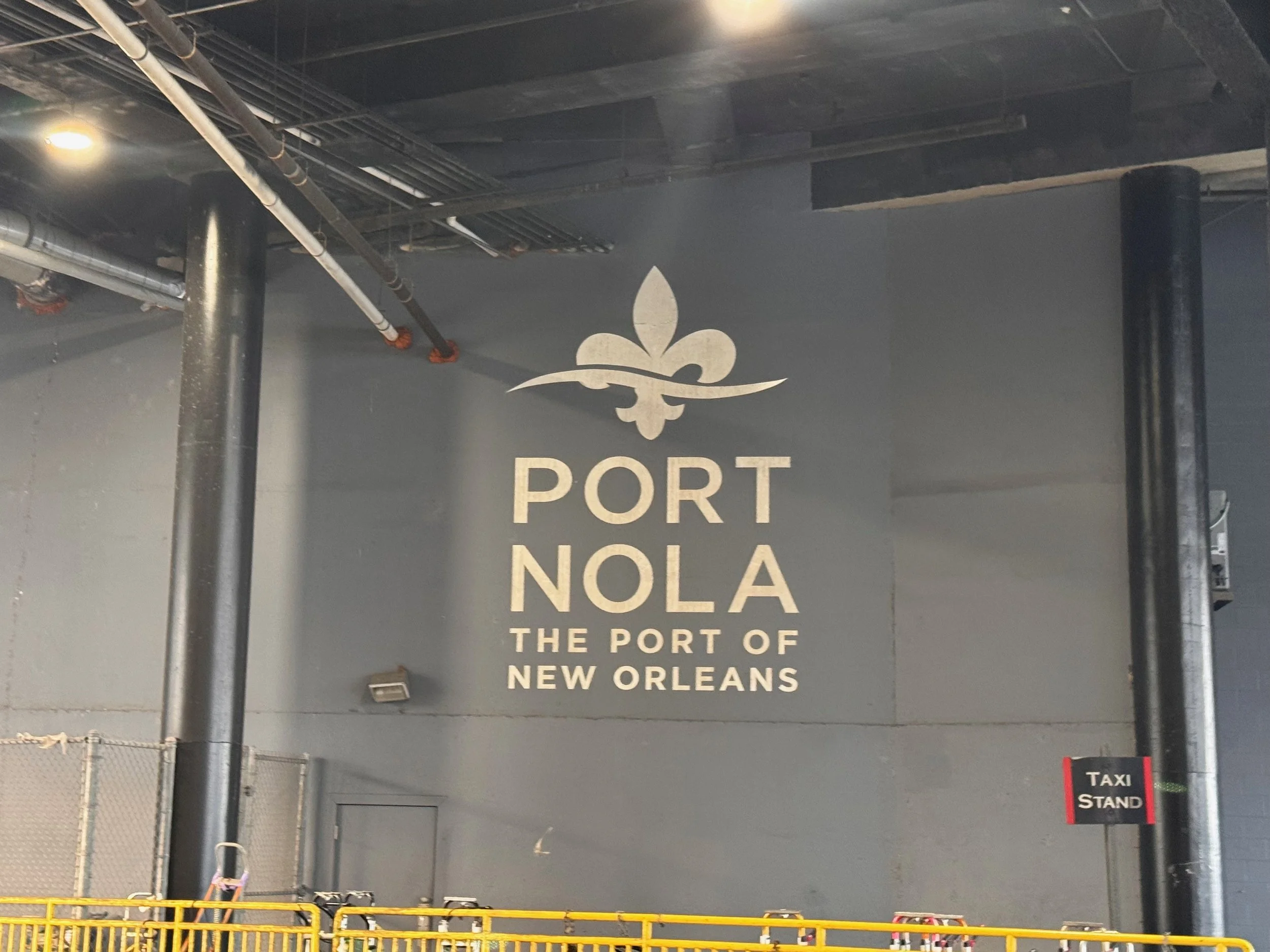
Sally and I had the privilege of attending NVOCC Day hosted by the National Customs Brokers and Forwarders Association of America (NCBFAA) at the historic Port of New Orleans. New Orleans has always been a favorite destination offering delicious food and enriching historical sights. New Orleans port also generates approximately $100 million in revenue annually as a hub for cargo, rail, industrial real estate and cruises. Cargo commodities importing in through the Port of New Orleans include steel, coffee, furniture, natural rubber, forest products and non-ferrous metals. Exports include plastic resins, frozen poultry, paper and pulp. Since 2018 Port NOLA has rolled out their “Strategic Master Plan” pushing them forward in growing sustained economic benefit for the area and have been making progress in streamlining operations, capitalizing on their gateway position, and developing sustainability.
With all the changes in tariff and transportation regulations, we found this an opportune time to not only escape the cold Midwest weather, but also to ensure we have a solid understanding of the updated FMC regulations, look for other opportunities to streamline our processes, and find resources for our team to better understand import and export requirements and how it they affect our clients.
The Shipping Act of 1984 has evolved over the years to accommodate for the ever changing landscape of ocean freight transportation. In 1998, it was updated to account for confidential service contracts and ended the Carrier Conference System (collective rate-setting). In 2022, the Ocean Shipping Reform Act (OSRA 2022) gave the Federal Maritime Commission new authority to assert regulatory oversight of ocean carrier practices affecting importers and exporters. Charge Complaints were established that allow shippers and carriers to dispute unreasonable or non-compliant fees assessed by ocean carriers with the FMC and further regulations in implemented in regards to ocean carrier invoicing practices and requirements.
Many of these changes work to help improve transparency, billing provisions, and establish a permanent process for charge complaints and enhanced FMC authority. This would allow shippers and freight forwarders to question excessive demurrage and detention charges. These updates have the biggest impact on our customers allowing us to mitigate excess charges when issues arise that are out of our control.
The NCBFAA is a great sounding board for transportation issues, and after experiencing this event - I feel even more empowered to bring other transportation issues to the table and see if we can’t facilitate more change in regards to rail practices as well. Despite only being a one day event, there was a lot of information to ingest and many resources gained.
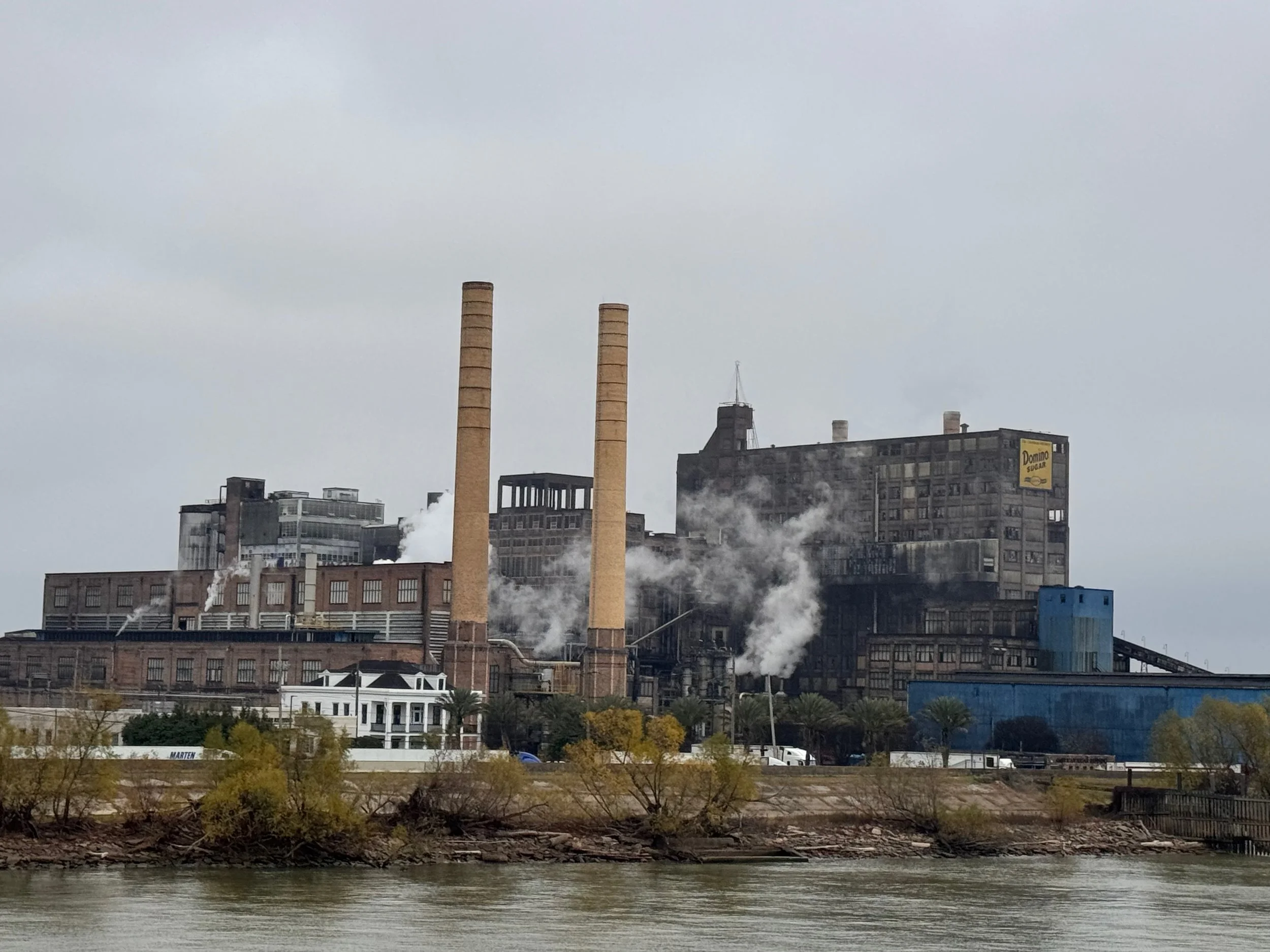
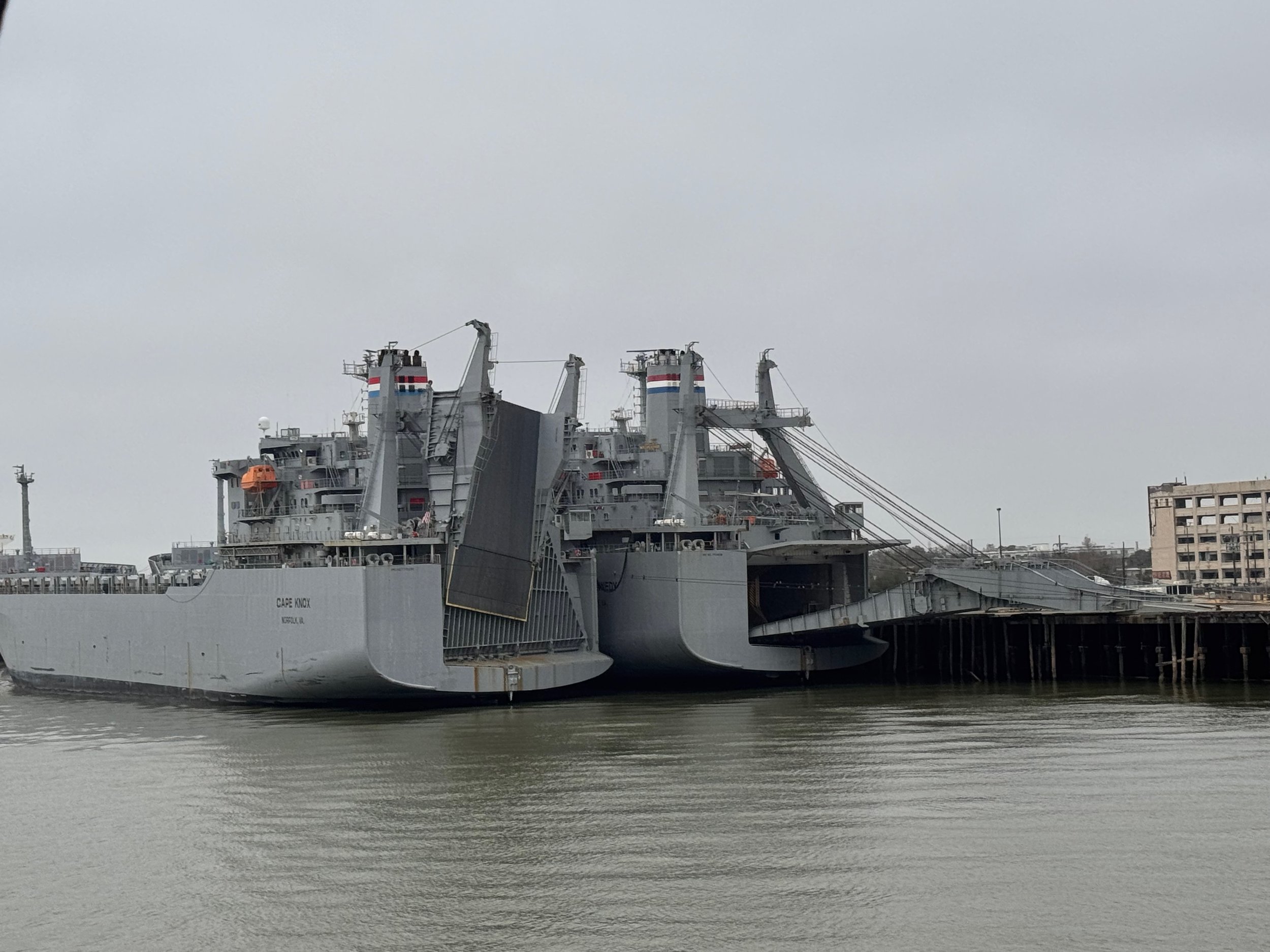
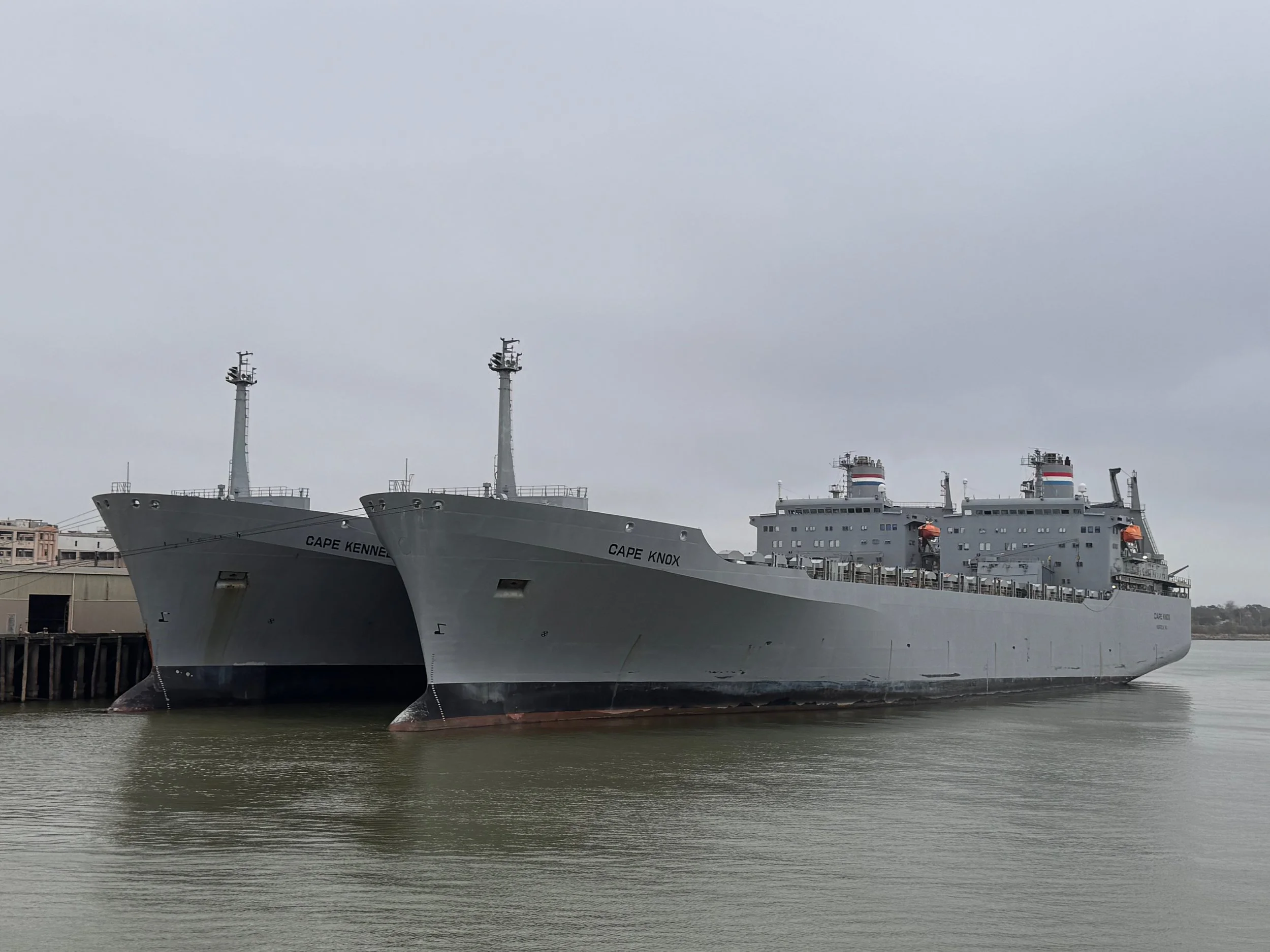
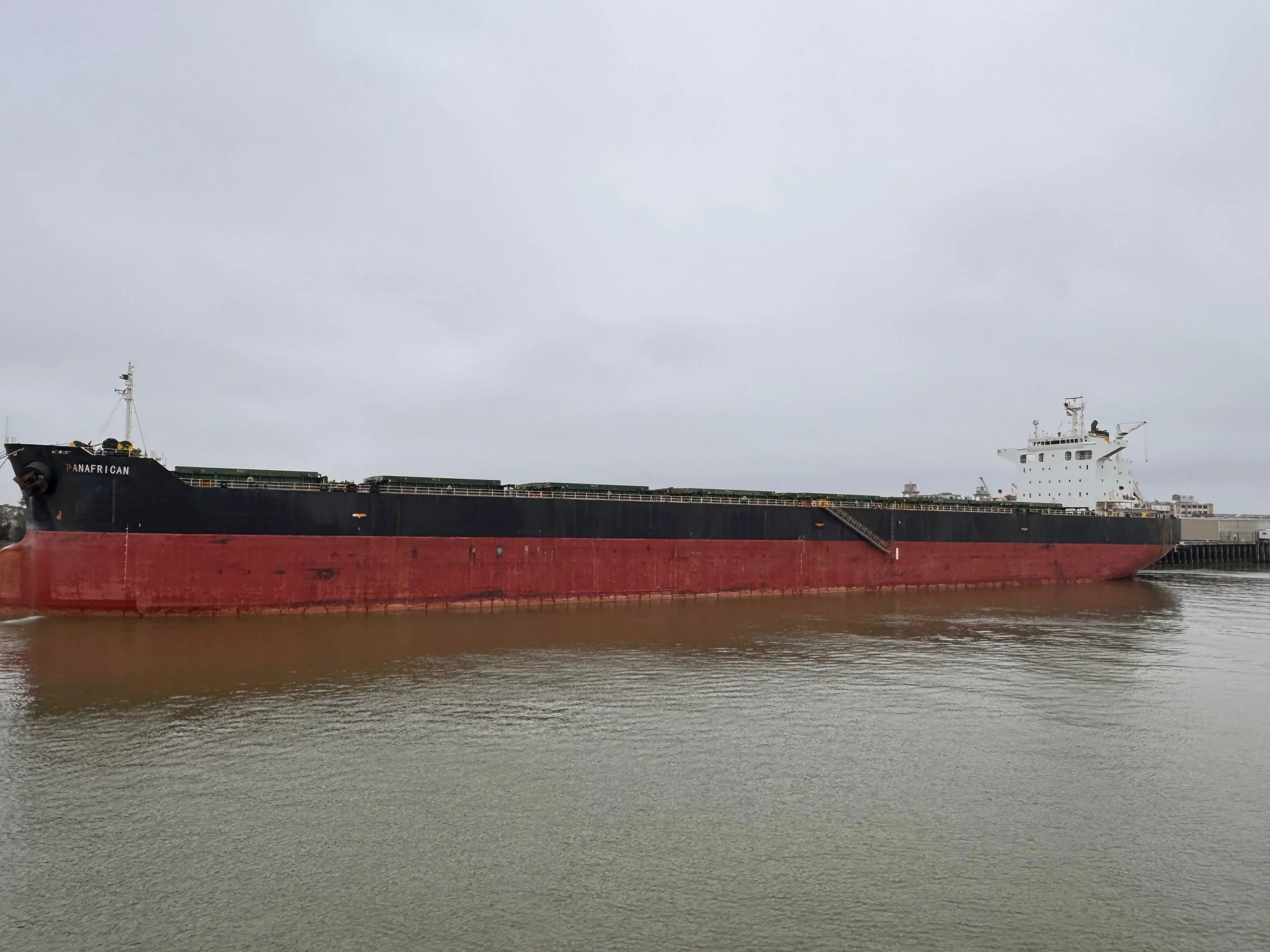
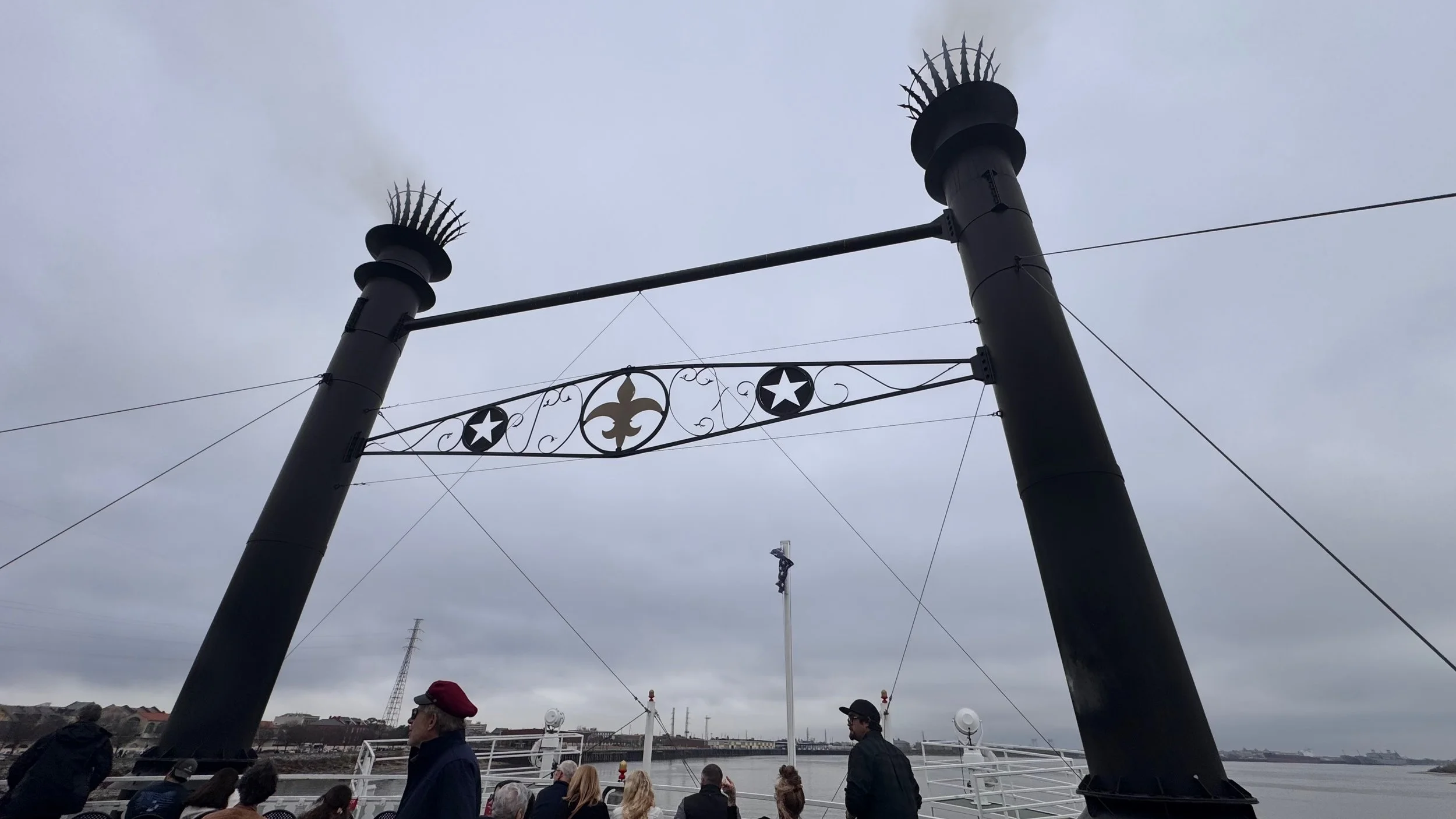
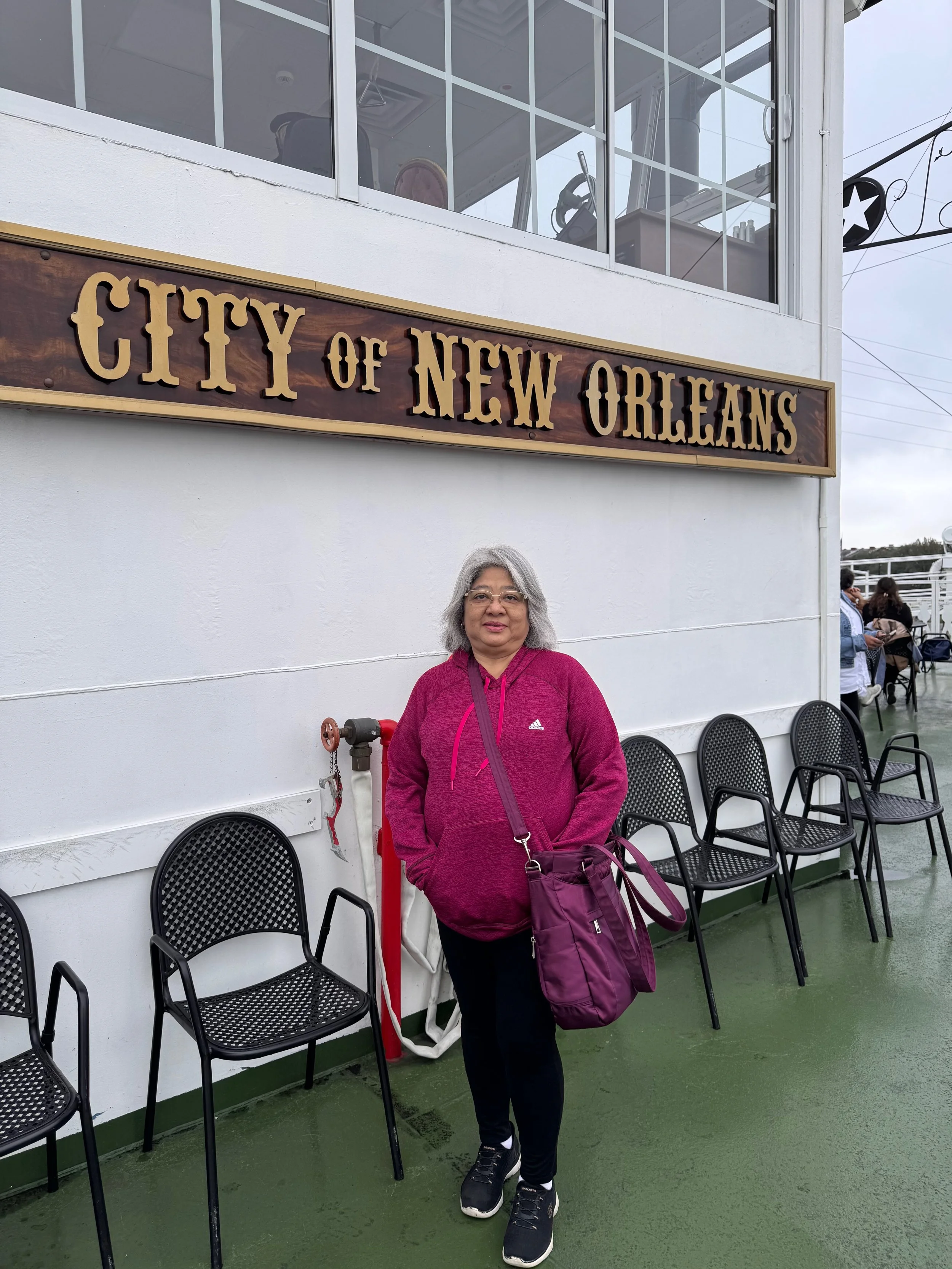
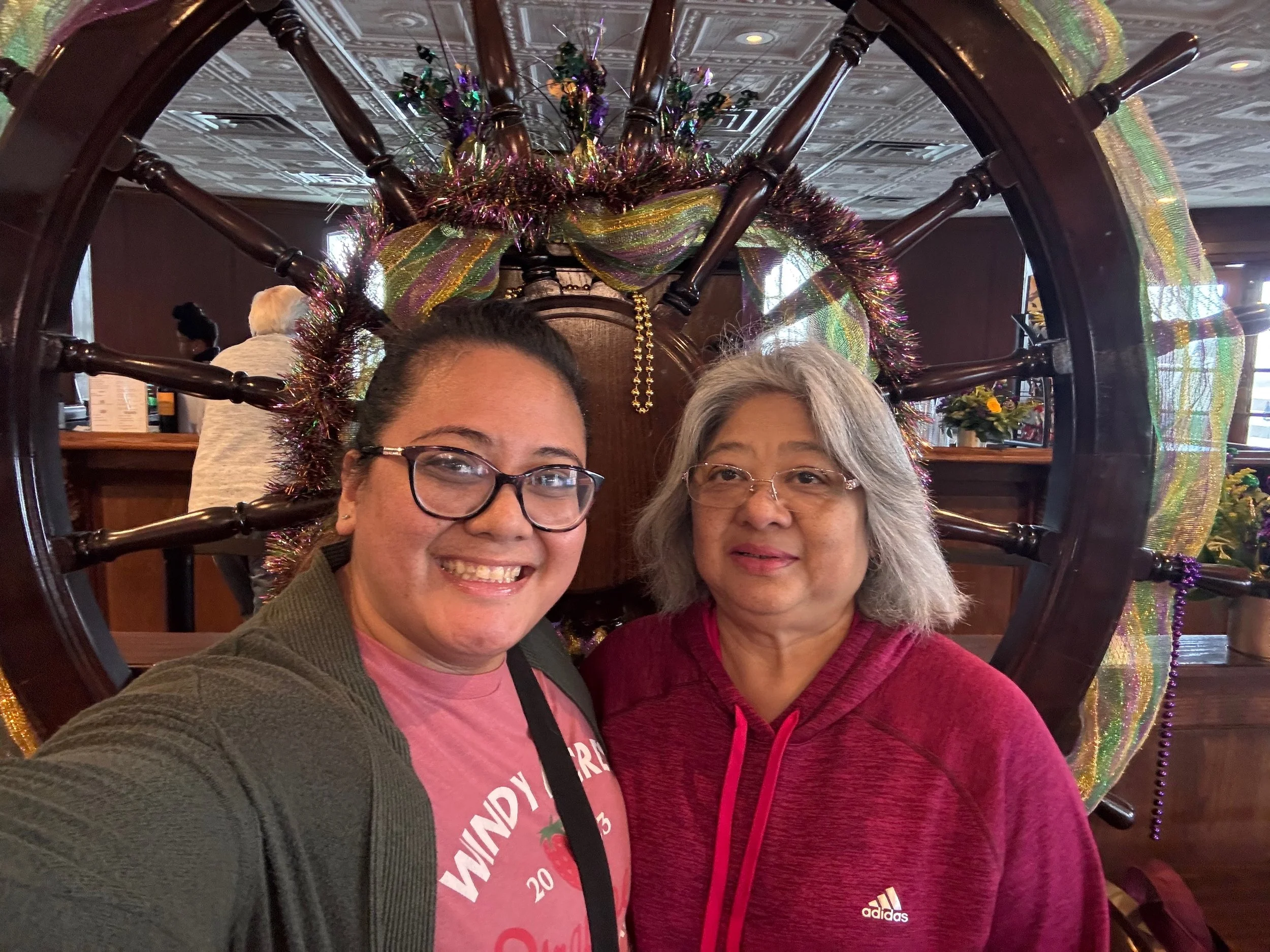
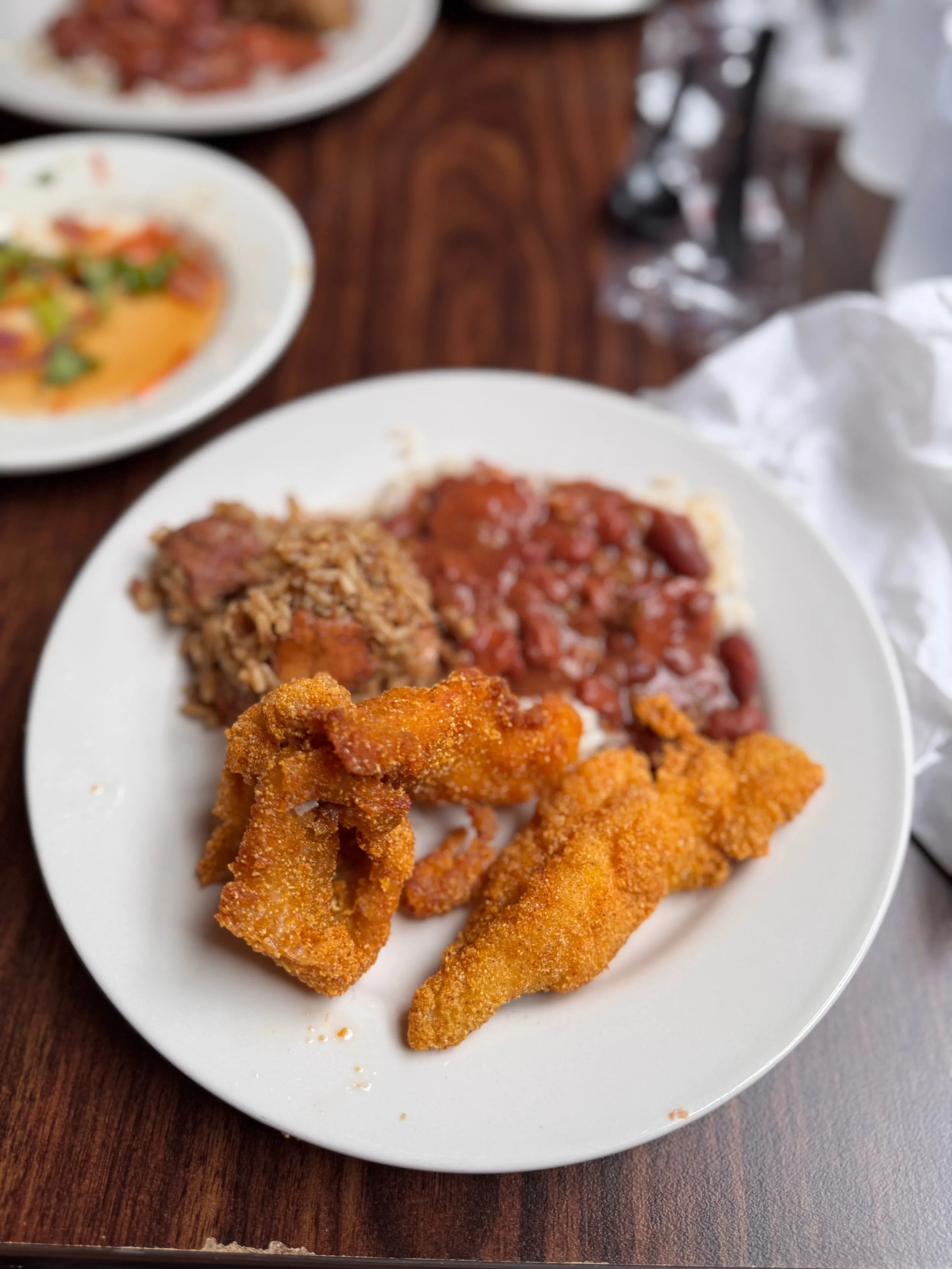
Before we departed NOLA, Sally and I were able to take a lunch tour on the riverboat City of New Orleans. As we travelled up the Mississippi, we got to see some of the maritime and manufacturing activities of the area. There were two big military supply ships docked waiting to be loaded. We also watched a crane moving raw sugar cane at the Domino sugar refinery where 100% of Louisiana’s sugarcane is processed.
In the day to day, we only get to see the data and the paperwork, but seeing industry in action makes what we do more tangible.